
Exploring the World of Curious Bee Books
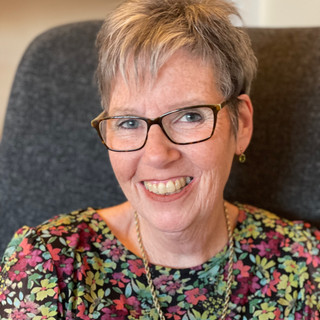
When I first discovered the magic of inclusive storytelling books, I felt a spark of hope. Stories that celebrate difference and acceptance are more than just tales - they are bridges to understanding. They open doors for children to see the world through many eyes, nurturing empathy and kindness. This is why I am so excited to share the world of Curious Bee Books with you. These books are crafted with care to empower young readers and promote a deeper understanding of neurodiversity.
Inclusive storytelling is a powerful tool. It helps children feel seen and valued, no matter how different they may be. It also teaches all children to appreciate diversity in their friends, classmates, and community. Let’s explore why these books matter, what makes them special, and how you can bring them into your home or classroom.
Why Inclusive Storytelling Books Matter
Inclusive storytelling books are more than just stories. They are invitations to explore the richness of human experience. When children read about characters who are different from themselves, they learn to embrace those differences. This can be especially important for children who may feel isolated or misunderstood.
These books often feature characters with diverse abilities, backgrounds, and perspectives. They show that everyone has unique strengths and challenges. This helps children develop empathy and respect for others. It also encourages self-acceptance and confidence in children who see themselves reflected in the stories.
For example, a story about a child with autism navigating school life can help neurotypical children understand their peers better. It also reassures children with autism that they are not alone. This kind of representation is vital for building inclusive communities.
Practical tip: When choosing books, look for those that highlight different experiences without focusing solely on challenges. Stories that celebrate joy, friendship, and adventure alongside difference are especially powerful.

Inclusive Storytelling Books: What to Look For
Finding the right inclusive storytelling books can feel overwhelming. There are so many options, but not all books handle diversity with the same care. Here are some key features to look for:
Authentic Representation
Characters should be portrayed realistically and respectfully. Avoid books that rely on stereotypes or pity.
Positive Messages
Stories should inspire hope, kindness, and acceptance. They should empower children rather than make them feel different in a negative way.
Engaging and Relatable Plots
The story should be enjoyable and easy to follow. Children connect best with stories that feel real and relatable.
Beautiful Illustrations
Pictures bring stories to life. Look for books with vibrant, inclusive artwork that reflects the diversity of the characters.
Age-Appropriate Language
The language should be clear and accessible, matching the child’s reading level.
One wonderful example of a publisher that meets these criteria is curious bee books. Their titles focus on neurodiversity and difference with warmth and optimism. Their stories are crafted to delight and inspire young readers.
Actionable advice: Visit local libraries or bookstores and ask for recommendations on inclusive storytelling books. Many librarians are happy to help you find titles that fit these criteria.

Are Curious Bee Books Worth Reading?
You might wonder, are bee books really worth reading? The answer is a resounding yes! Books from Curious Bee Books offer more than just entertainment. They provide meaningful stories that children can relate to and learn from.
These books are carefully written to reflect the experiences of children who are often underrepresented in mainstream literature. They celebrate neurodiversity and encourage acceptance in a gentle, uplifting way. Reading these books can spark important conversations about difference and kindness.
For example, one story might follow a young character who thinks and learns differently. Through their journey, readers see the value of diverse ways of thinking. This can help children feel proud of their own unique minds and appreciate others’ differences.
Parents and educators have shared how these books have helped children open up about their feelings and experiences. They create a safe space for discussion and understanding.
Why choose curious bee books? Because they combine delightful storytelling with a powerful message. They are tools for building empathy and confidence in young readers.

How to Use Inclusive Storytelling Books Effectively
Reading inclusive storytelling books is just the beginning. To make the most of these stories, try these simple strategies:
Read Together
Share the book with your child or students. Pause to discuss the story and characters. Ask questions like, "How do you think they feel?" or "What would you do in their place?"
Create a Safe Space
Encourage children to share their own stories and feelings. Let them know it’s okay to be different and that everyone has value.
Connect to Real Life
Use the stories as a springboard to talk about diversity in your community. Highlight examples of kindness and acceptance you see around you.
Incorporate Activities
After reading, try drawing, role-playing, or writing exercises related to the story. This helps children process and internalise the messages.
Build a Diverse Library
Keep a collection of inclusive books accessible. Rotate titles regularly to keep interest high and expose children to many perspectives.
By using these approaches, you turn reading into a rich, interactive experience. Children don’t just hear the message - they live it.
Embracing Stories That Empower
Inclusive storytelling books have the power to change lives. They help children understand themselves and others better. They build bridges of empathy and acceptance that last a lifetime.
I encourage you to explore the wonderful titles from curious bee books. Their stories are crafted with love and care to inspire young minds. Whether you are reading at home or in the classroom, these books can be a source of joy and learning.
Remember, every child deserves to see themselves in a story. Every child deserves to feel valued and understood. Inclusive storytelling books make that possible. Let’s celebrate difference together and nurture a world where every child can shine.
Happy reading!

Comments